
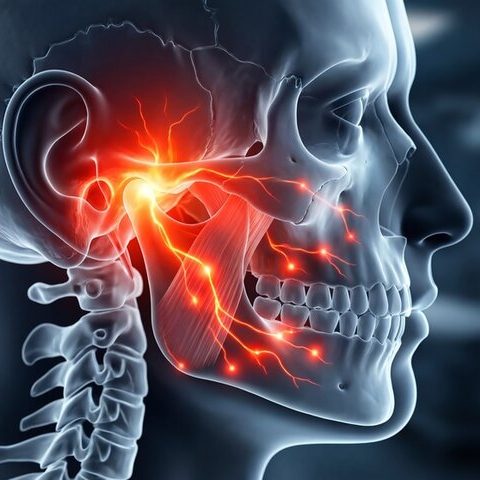
Jaw pain
Temporomandibular dysfunction (TMD) Temporomandibular Joint pain (TMJ) Jaw clicking
What is Temporomandibular Joint Dysfunction?
Temporomandibular joint dysfunction (TMD) is a common disorder affecting the jaw joint and the surrounding muscles, leading to a range of signs and symptoms. Individuals may experience pain or discomfort in the jaw, face, neck, shoulders, as well as difficulty in opening the mouth wide. Other signs include clicking or popping sounds when moving the jaw, headaches, and earaches. Physiotherapy plays a crucial role in the management of these symptoms, helping to alleviate pain and improve jaw function through targeted exercises and manual therapy.
A thorough dental check up is recommended before assessment and treatment to check that your teeth are not causing the problem.
What can I do to help myself?
Self-management strategies can be beneficial for those experiencing TMD. Techniques such as practicing relaxation exercises, applying hot or cold compresses to the affected area, and avoiding overly tough or chewy foods can help reduce pain and discomfort. Simple jaw exercises provided by a physiotherapist, such as gentle stretching and strengthening routines, can also help manage symptoms effectively.
How can PhysioCymru help me?
- Advanced Physiotherapy assessment of the jaw and neck.
- Personalised exercise program addressing muscle and joint problems
- Advanced manual therapy including treatment both inside and outside the mouth.
- Acupuncture for soft tissue pain
What if Physiotherapy cannot help me?
Although rarely needing more invasive options, more severe cases of TMD may require further specialist treatment. Working with some of the top maxilofacial and oral surgeons in South Wales, onward referrals for treatment options such as custom splints or bite guards, injection and botox therapy or surgery can easily be facilitated.
Want to know more? Book in for assessment now