
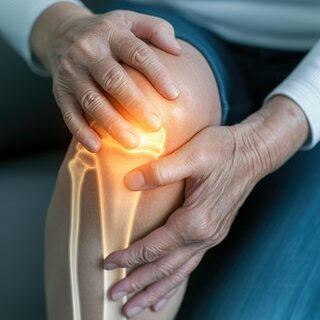
Knee pain
Sports injury
ACL rupture
Meniscal Tear
Osteoarthritis
Ligament injury
Knee cap pain
Bursitis
Tendinopathy
Knee pain is a common problem that can affect individuals of all ages, often resulting in discomfort and limitations in mobility. It may originate from various sources, including injuries, degenerative joint conditions, or overuse. Understanding the underlying causes of knee pain is crucial for effective treatment and management.
Common causes of knee pain
Common causes of knee pain include injuries such as ligament tears or meniscus damage, conditions like osteoarthritis or rheumatoid arthritis, bursitis, and tendinitis. Other factors, such as obesity and improper biomechanics, can also contribute to the onset of knee pain. Recognising these causes is essential for determining the appropriate course of action.
Signs and symptoms of knee pain
Signs and symptoms of knee pain can vary widely, ranging from a dull ache to sharp or throbbing pains. Individuals may experience swelling, stiffness, a decreased range of motion, or a sensation of instability in the joint. Observing these symptoms can help in identifying the necessity for professional treatment.
How can I help myself?
In acute injuries consider rest, elevation and compression of the area. Avoiding the use of anti-inflammatory drugs in the first few days following injury. Strengthening exercises for the muscles around the knee, maintaining a healthy weight, and improving flexibility through gentle stretches can also provide significant relief. Always consult a healthcare professional before starting any new exercise programme.
How can PhysioCymru Help Me?
- Individualised assessment
- Personalised exercise program
- Steroid injections
- Shockwave Therapy
- Acupuncture
What if Physiotherapy cannot help?
Other options might include medications, imaging or even surgical interventions in severe cases. Each treatment plan should be tailored to the individual's needs, ensuring optimal recovery and mobility.