
Neck pain
Neck pain
Whiplash
Radicular pain
Wry neck / Torticollis
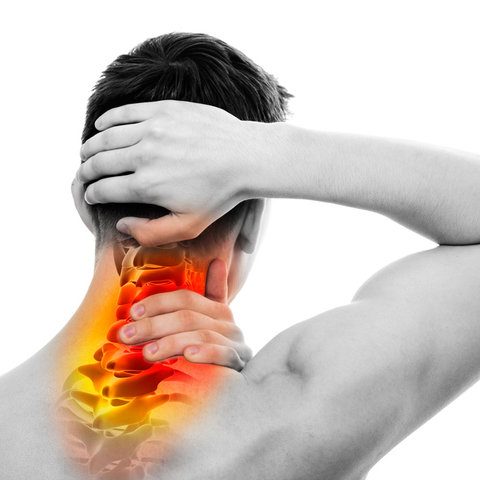
Neck pain is a prevalent condition that affects many individuals at various stages of life. It typically manifests as discomfort or stiffness in the cervical region and can range from mild to debilitating. This pain can be localised or radiate to other areas such as the shoulders, arms, and even the head. Understanding the underlying causes and effective management strategies can significantly enhance the quality of life for those experiencing neck pain.
What causes neck pain?
Common causes of neck pain include prolonged use of computers or mobile devices, leading to muscle strains. Degenerative disc disease, herniated discs, whiplash from injuries, and conditions such as arthritis. Additionally, stress and anxiety can lead to muscle tension, exacerbating neck discomfort. Identifying the root cause is essential for effective treatment.
What are the common symptoms of neck pain?
Pain localised or referring to the neck, head, upper limbs and sometimes to the lower limb. Occasionally pins and needles or numbness suggesting nerve involvement can occur. If nerves are compromised then weakness and numbness can also occur.
How can I help myself?
For self-management, individuals can adopt several strategies to alleviate neck pain. These include engaging in regular physical exercises to strengthen neck muscles, incorporating stretching techniques to improve flexibility and using Heat and cold therapy. Mindfulness and relaxation techniques may help manage stress-related muscle tension.
How can PhysioCymru help me?
- Individualised assessment
- Personalised rehabilitation program
- Manual therapy and manipulation
- Laser therapy
- Acupuncture
What if Physiotherapy doesn't help?
Other options may include medication for pain relief, further imaging, normally in the form of MRI scans, and in some cases, surgical interventions for specific underlying conditions. Collaborating with healthcare professionals can help tailor a comprehensive management plan to suit individual needs.