
Wrist and Hand Pain
Wrist pain
Carpal Tunnel Syndrome
Osteoarthritis
Repetitive strain injury
Basal thumb arthritis
Trigger finger
Trigger thumb
De Quervain's Tenosynovitis
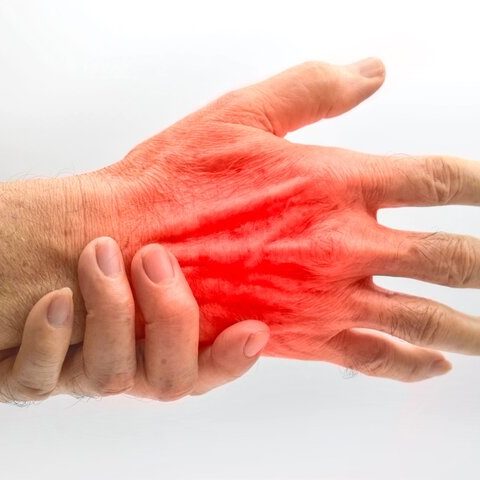
Wrist and hand pain refers to discomfort or pain experienced in the wrist joint or in the surrounding structures of the hand. This type of pain can vary in intensity and may arise from various sources, often impacting daily activities and overall quality of life. The intricate anatomy of the wrist and hand, which includes bones, ligaments, tendons, and nerves, means that a wide range of conditions can lead to such symptoms.
Common causes of wrist and hand pain
Common diagnoses associated with wrist and hand pain include conditions like carpal tunnel syndrome, tendonitis, arthritis, and fractures. Carpal tunnel syndrome arises from compression of the median nerve, leading to pain, tingling, or numbness in the hand. Tendonitis, an inflammation of the tendons, can occur due to repetitive motions and often presents as pain during movement. Arthritis, particularly osteoarthritis or rheumatoid arthritis, can cause joint pain and stiffness. Additionally, acute injuries or fractures can result in immediate pain and swelling.
What are the signs and symptoms of wrist pain
Patients with wrist and hand pain may experience a variety of signs and symptoms, such as swelling, redness, or warmth in the affected area. They may also report decreased range of motion, weakness, and difficulty performing tasks that require fine motor skills, such as gripping or pinching. In some cases, sensory changes like numbness or tingling may be indicative of nerve involvement, which requires careful attention from a healthcare professional.
How can I help manage my symptoms?
To help manage wrist and hand pain, individuals can engage in self-care strategies, including rest, using over-the-counter pain relief medication as needed and keeping the joint moving. Practising gentle stretching and strengthening exercises can also be beneficial; however, it is essential to ensure these are appropriate for the specific condition under consideration. Proper ergonomics during activities, such as typing or using tools, can prevent further aggravation of symptoms.
How can PhysioCymru help me?
- Individualised assessment
- Personalised rehabilitation program
- Steroid injections
- Shockwave therapy
- Discussions around bracing and taping
What can I do if Physiotherapy doesn't help me?
Other options may include imaging (such as X-rays/ultrasound scans) and if severe cases, surgical interventions may be required. Consulting with a healthcare professional is vital to determine the best course of action based on individual symptoms and functional limitations.